
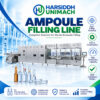
High-Performance Sterile Injectable Production: The Harsiddh Automatic Ampoule Filling & Sealing Line (Compact Monoblock)
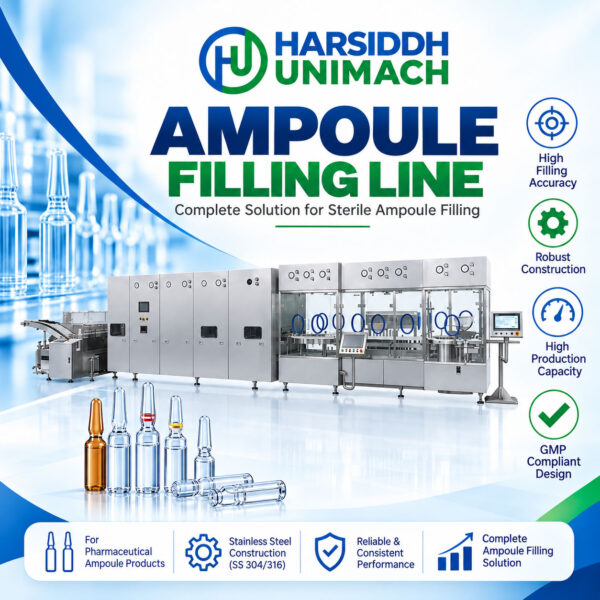
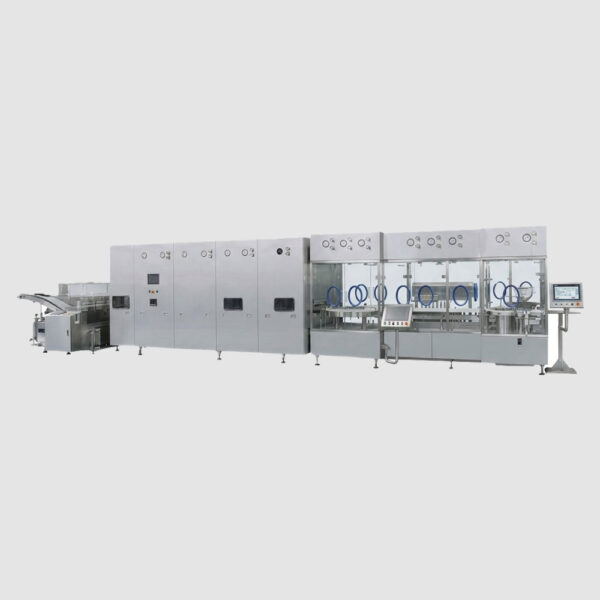
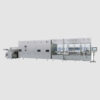
In the high-stakes sector of pharmaceutical manufacturing, processing sterile liquid injectables demands an absolute convergence of absolute sterility, surgical dosing accuracy, and seamless operational efficiency. The Harsiddh Automatic Ampoule Filling Line (Ampoule Compact Line) is an advanced, fully integrated monoblock system engineered to meet these rigorous global standards.
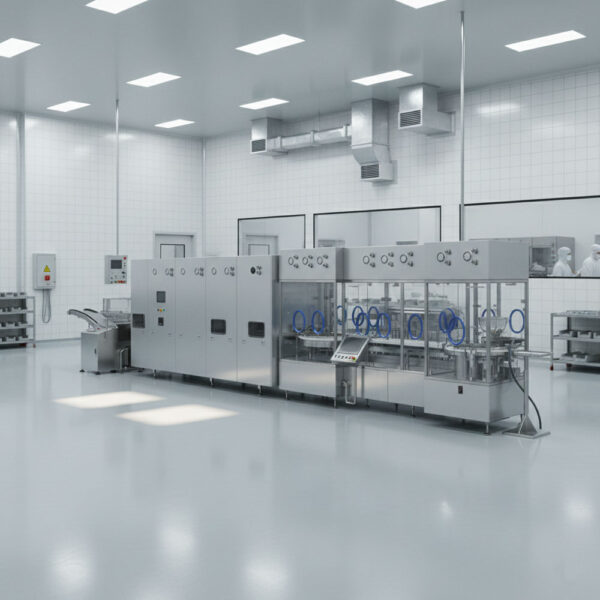
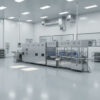
By synchronizing container preparation, thermal sterilization, precision volumetric dosing, and hermetic sealing into a single, continuous, high-speed workflow, this compact processing line eliminates the contamination risks associated with manual container handling. Designed with a space-saving footprint that optimizes cleanroom real estate, the Harsiddh Compact Line provides modern pharmaceutical facilities with a reliable, cGMP-compliant architecture capable of handling high-throughput production while maintaining a non-compromised sterile barrier.
The Synchronized Monoblock Workflow: From Decontamination to Hermetic Seal
The Harsiddh Ampoule Compact Line integrates multi-stage industrial machinery into a unified, automated production line. Each stage is mechanically and electronically synchronized to ensure a smooth transition from raw glass containers to fully traceable, shelf-ready sterile injectables.
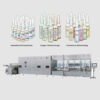
[ Ultrasonic Washing ] ➔ [ Depyrogenation Tunnel ] ➔ [ Nitrogen Purging & Filling ] ➔ [ Flame Sealing & Labeling ]1. Advanced Container Decontamination via Ultrasonic Washing
The process begins with the Automatic Vertical Ultrasonic Ampoule Washing Machine. Glass ampoules are subjected to high-frequency ultrasonic waves in a localized bath, initiating a process called cavitation. This acoustic cavitation creates microscopic vacuum bubbles that implode against the glass surfaces, effectively loosening and dislodging sub-micron particulate matter, glass micro-shards, and organic residues.
Following the ultrasonic treatment, the ampoules are transferred to a vertical rotary matrix featuring 8 to 10 dedicated internal and external washing stations. Here, the containers undergo a rigorous, multi-jet cleaning cycle utilizing a synchronized sequence of:
- Deionized/Purified Water
- WFI (Water for Injection)
- Filtered, oil-free compressed air
All fluid paths and contact nozzles are constructed from premium SS316L stainless steel to prevent cross-contamination, ensuring that every container enters the sterilization phase completely free of micro-particles.
2. Continuous Sterilization and Depyrogenation
Once thoroughly washed, the damp ampoules are automatically transferred via a synchronized indexing conveyor into the Sterilizing & Depyrogenating Tunnel. This critical zone utilizes a continuous, forced-convection laminar airflow system to achieve complete sterilization and eliminate bacterial endotoxins (pyrogens).
The tunnel is divided into three distinct, PLC-monitored thermal zones:
- Pre-heating Zone: Gradually raises the temperature of the glass to prevent thermal shock and structural cracking.
- High-Temperature Sterilization Zone: Utilizes specialized heating elements to maintain validated temperatures up to 320°C. The glass containers are subjected to this intense, uniform dry heat under a continuous stream of HEPA-filtered laminar air, destroying pyrogens down to a molecular level.
- Sterile Cooling Zone: Equipped with H14 HEPA filters providing a class-100 sterile environment, this zone safely cools the ampoules down to ambient handling temperatures before they exit into the filling cleanroom.
3. Precision Inert Gas Purging, Volumetric Filling, and Flawless Sealing
The cooled, sterile ampoules flow directly into the heart of the system: the Automatic Ampoule Filling & Sealing Machine. Available in both high-speed rotary and linear formats with 6 to 12 filling heads, this unit handles the delicate filling process with surgical precision.
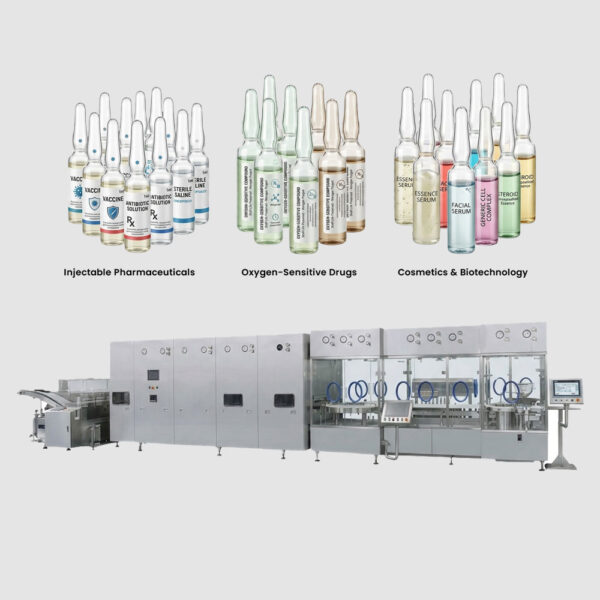
To safeguard oxygen-sensitive formulations (such as liquid antibiotics, vitamins, or complex biologics) from oxidation and degradation, the system features an integrated dual-stage Nitrogen purging system. Inert nitrogen gas is flushed into the ampoule immediately before filling to displace ambient oxygen, and flushed once more post-filling to establish an inert headspace inside the container.
Dosing is executed by high-accuracy, volumetric piston pumps crafted from SS316L, delivering an exceptional dosing precision with a deviation of less than ±0.5%.
Immediately following the filling sequence, the ampoules advance to the sealing station. Specialized gas burners utilizing a precise LPG/Oxygen mixture uniformly heat the neck of the glass ampoule. A mechanical “pull-seal” mechanism then grips the waste tip of the glass, drawing it away cleanly while the molten glass fuses into a completely airtight, hermetic, and leak-proof dome tip.
4. High-Speed Traceable Labeling
The final stage of the integrated compact line utilizes a high-speed, wrap-around Automatic Ampoule Labeling Machine. This unit applies precise, wrinkle-free labels to the delicate cylindrical profiles of the glass containers. It features integrated thermal-transfer or laser printing blocks for batch coding, expiration dating, and 2D matrix printing, ensuring complete downstream traceability throughout the pharmaceutical supply chain.
Structural Innovations and Regulatory Compliance
The Harsiddh Automatic Ampoule Filling Line is engineered from the ground up to comply with the strict standards of regulatory bodies like the US-FDA, MHRA, and WHO-GMP.
Advanced cGMP Layout & Open-Architecture Design
The physical framework of the line features a contemporary, ergonomic “slanted” structural layout. By eliminating flat horizontal interior surfaces near the processing zones, the design prevents the accumulation of dust or airborne particulate matter. The open-architecture layout allows for seamless integration of RABS (Restricted Access Barrier Systems) or full cleanroom isolation isolators. All mechanical transmission assemblies are securely housed in the lower chassis, completely isolated from the sterile filling zone to avoid contamination from lubricants or mechanical friction.
Industrial Intelligence and Automation Control
The entire compact line is managed by a centralized, high-performance PLC system paired with an intuitive, multi-color Human-Machine Interface (HMI) touchscreen panel. Operators can monitor and control real-time operational parameters across the line, including:
- Ultrasonic wash cycle times
- Depyrogenation tunnel temperature profiles
- Conveyor synchronization speeds
- Gas flow monitoring for sealing
For facilities requiring strict validation protocols, the automation suite supports 21 CFR Part 11 software integration, providing secure user access hierarchies, electronic signatures, and unalterable, automated audit trails for total data integrity.
Comprehensive Validation Framework
To facilitate rapid deployment and regulatory acceptance, Harsiddh provides an extensive validation documentation package. Every line is supplied with comprehensive Design Qualification (DQ), Installation Qualification (IQ), Operational Qualification (OQ), and Performance Qualification (PQ) protocols to ensure your production processes pass international pharmaceutical audits seamlessly.
Key Advantages of the Harsiddh Ampoule Compact Line
- Minimized Cross-Contamination Risk: The direct, hands-free monoblock connection between washing, sterilization, and filling steps reduces environmental exposure.
- Footprint Optimization: The compact configuration saves premium cleanroom square footage compared to traditional, spread-out equipment lines.
- Protection for Sensitive APIs: Advanced pre- and post-filling Nitrogen purging prevents product oxidation, extending the shelf-life and stability of sensitive active pharmaceutical ingredients (APIs).
- Reduced Product Loss: High-efficiency servo-driven indexing and gentle glass-to-glass handling reduce container scratching, hairline fractures, and costly product spillage.
- Rapid Changeovers: Quick-fit change parts enable production operators to transition smoothly between different ampoule capacities (e.g., from 2ml to 10ml) with minimal downtime.
Technical Specifications
| Feature | Specification |
|---|---|
| Output Speed | Up to 12,000 Ampoules / Hour (Depending on model) |
| Ampoule Size Range | 1ml to 10ml (Standard) |
| Filling Accuracy | ± 0.5% to 1.0% |
| Number of Heads | 2, 4, 6, or 8 Heads |
| Nitrogen Purging | Pre and Post-filling integrated |
| Sealing Type | Gas-based Pull-Sealing |
| Power Consumption | Variable (approx. 3.0 KW – 5.0 KW) |
| Construction | Stainless Steel 316L (Contact) & SS 304 (Non-contact) |
Enhance Your Parenteral Production Efficiency
Upgrade your sterile manufacturing capabilities with a line engineered for uncompromised accuracy, absolute sterility, and reliable long-term performance. The Harsiddh Automatic Ampoule Filling Line (Ampoule Compact Line) provides the industrial durability and technological precision required to optimize your high-speed injectable manufacturing workflows.
For customized technical consulting, detailed floor-plan layouts, or tailored commercial proposals, please contact our global engineering team directly at info@harsiddhunimach.com.
Frequently Asked Questions
How does the machine handle oxygen-sensitive injectable drugs?
To maintain the stability of sensitive formulations, the Harsiddh Compact Line features a multi-stage Nitrogen (N2) flushing system. This includes:
Pre-Gassing: Displaces atmospheric air before the liquid is filled.
Post-Gassing: Flushes the headspace of the ampoule before sealing. This ensures a near-zero oxygen environment, preventing oxidation and extending the shelf life of the medicine.
What is the dosing accuracy and production speed of this compact model?
Despite its smaller footprint, the machine is built for high-speed industrial output:
Accuracy: Utilizing high-precision SS 316L volumetric piston pumps, the machine achieves a filling accuracy of ±1%.
Speed: Depending on the number of heads (2, 4, 6, or 8 heads), the line can produce between 30 to 200 ampoules per minute (approximately 1,800 to 12,000 per hour).
How is the hermetic sealing achieved for different ampoule sizes?
The machine uses a sophisticated slant-traveling system that rotates the ampoules while they pass through the sealing station. Oxygen and LPG/Natural Gas burners soften the glass neck, while a mechanical gripper pulls off the tip (Tip-Seal method). The machine can process ampoules ranging from 1ml to 25ml with minimal changeover parts, ensuring a smooth, rounded, and leak-proof seal every time.
What are the key cGMP and safety features of the Harsiddh Compact Line?
As a cGMP-compliant unit for sterile environments, the machine includes:
Material Integrity: All contact parts are made of SS 316L, and the non-contact exterior is SS 304.
"No Ampoule – No Fill" System: Sensors prevent the discharge of expensive medication if an ampoule is missing or incorrectly positioned.
Safety Enclosure: A toughened glass cabinet with safety interlocks protects the operator and maintains the sterile zone under the LAF hood.
Centralized Control: A PLC-based system with a Touchscreen HMI allows for real-time monitoring of all parameters.